Pros and Cons of Bikinis vs. One-Piece Swimsuits
When it comes to swimwear, the debate between bikinis and one-piece swimsuits has been around for decades. Both styles carry cultural significance, practical considerations, and evolving fashion trends. For buyers, retailers, and even swimwear manufacturers, understanding the pros and cons of each design is more than just a matter of personal preference—it can influence consumer demand, product development, and sourcing decisions.
This article explores the advantages and disadvantages of bikinis and one-piece swimsuits, considering aspects like comfort, style, body support, and market trends to help global buyers and distributors make informed decisions.
The Allure of Bikinis
Bikinis are often associated with freedom, sun-soaked vacations, and confident fashion statements. Their two-piece design allows for versatility and countless style variations.
Pros of Bikinis:
-
Variety in Style – Bikinis come in bandeau, triangle, halter, high-waisted, and sporty designs, offering options for every body type and fashion taste.
-
Mix-and-Match Potential – Buyers can combine tops and bottoms to create personalized looks, a feature particularly attractive for young consumers.
-
Better for Tanning – With less fabric coverage, bikinis allow for minimal tan lines, appealing to beach-goers.
-
Portability – Small and lightweight, bikinis are easy to pack for travel, making them a top choice for vacation-focused buyers.
Cons of Bikinis:
-
Limited Support – Many bikinis lack structural support, which can be a concern for women with larger busts.
-
Potential Discomfort – Straps and ties may dig into the skin during extended wear.
-
Confidence Factor – Some women may feel self-conscious in a bikini, limiting its appeal across markets.
-
Less Practical for Sports – For activities like surfing or water volleyball, bikinis may shift or loosen, causing discomfort.

The Timeless Appeal of One-Piece Swimsuits
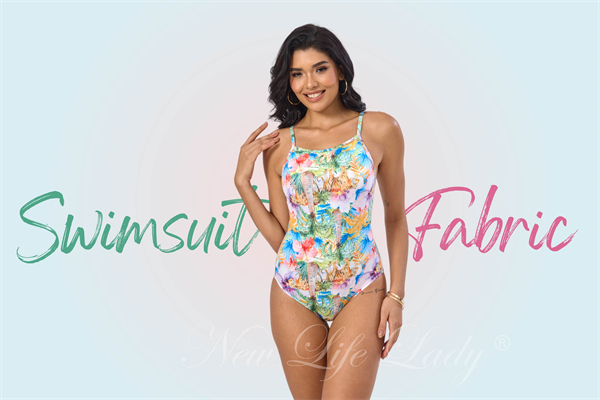
One-piece swimsuits have gained strong momentum in recent years, particularly with the rise of retro and minimalist fashion trends. Traditionally seen as more conservative, the one-piece has evolved into a symbol of elegance and sporty chic.
Pros of One-Piece Swimsuits:
-
Enhanced Support and Coverage – One-pieces generally offer better breast and torso support, ideal for active swimmers or women seeking comfort.
-
Flattering Silhouette – Many modern designs use cut-outs, plunging necklines, or shaping panels to enhance body curves.
-
Versatility – Can double as a bodysuit when paired with skirts or jeans, appealing to fashion-conscious buyers.
-
Confidence Boost – Provides modest coverage while still being stylish, making it appealing across a broader demographic.
Cons of One-Piece Swimsuits:
-
Limited Tan Potential – Larger coverage often results in more visible tan lines.
-
Less Convenient – One-pieces can be harder to take on and off, especially when wet.
-
Bulky for Packing – Compared to bikinis, they take up more space in travel bags.
-
Higher Price Point – Due to more fabric and complex construction, one-pieces are often priced higher than bikinis.
Consumer Trends and Market Insights
The global swimwear market continues to diversify, and the line between bikinis and one-piece swimsuits is becoming more blurred. Hybrid styles such as cut-out one-pieces and bikini-style monokinis combine elements of both categories.
-
Younger buyers tend to gravitate toward bikinis for their mix-and-match potential and trend-forward designs.
-
Professional women and athletes prefer one-piece swimsuits for functionality and body support.
-
Regional preferences matter too: in markets like Europe and Australia, bikinis dominate, while in Asia, modesty-driven designs like one-pieces and tankinis see stronger demand.
For B2B swimwear buyers, understanding these cultural and generational preferences is crucial when sourcing from manufacturers.
Which One Works for Your Business?
The decision between stocking bikinis or one-piece swimsuits depends on target customers and market positioning.
-
If your audience is fashion-driven, bikinis with bold prints, sustainable fabrics, and adjustable fits will likely perform well.
-
If your customers prioritize comfort and performance, one-piece swimsuits with built-in support, shaping panels, or eco-friendly materials may be the better bet.
Retailers should also consider offering a balanced product mix, as modern consumers often buy both styles depending on the occasion.
Final Thoughts
Bikinis and one-piece swimsuits each have their strengths and weaknesses. For the global swimwear industry, the goal isn’t to declare one as superior, but to understand how each meets consumer needs. Buyers who align their swimwear selections with market trends and customer expectations will stay ahead in a competitive industry.
Whether you’re sourcing from a swimwear manufacturer or creating your own private label, knowing the pros and cons of bikinis vs. one-piece swimsuits is key to building a successful collection that resonates across diverse markets.
Buying Swimwear in the Winter: Tips and Tricks
Swimwear Manufacturing: Everything You Need to Know
Related Article