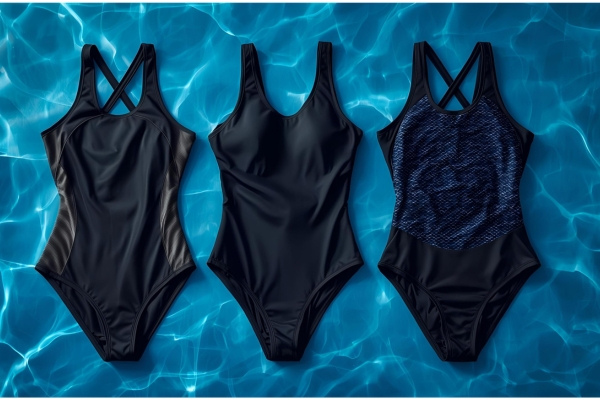
What Is a Competition Swimsuit?
Defining a Competition Swimsuit
Simply put, a competition swimsuit (also called “racing swimwear” or “competitive swimwear”) is a swimsuit designed specifically for use in swimming competitions and meets the technical, regulatory and performance standards required for those events.
-
It is worn by swimmers in races rather than for recreation or casual training.
-
It often uses advanced fabrics, streamlined construction and technologies (compression, drag-reduction, hydrodynamic surface). For example, high-technology “tech suits” made headlines in the 2008 Beijing Olympics.
-
It must comply with the rules of the international governing body World Aquatics (formerly FINA) and national federations for major competitions.
Thus, when you hear the term competition swimsuit, you can understand it as swimwear that is purpose-built and certified for competitive performance, rather than casual use.

Key Features & Technical Requirements
Performance-Driven Materials & Construction
Competition swimsuits distinguish themselves by materials and construction:
-
They tend to use tightly-woven textile fabrics (rather than heavy plastic or rubber) to provide body compression, reduce drag and maintain shape.
-
They must be permeable to water and air (to avoid trapping air/water that aids buoyancy unfairly). For example, the “FRSA” document states criteria on thickness and permeability.
-
They avoid features such as zippers or fastening systems (which can create drag or alter body shape).
Regulatory Shape & Coverage Rules
Because of past controversies (for example full-body polyurethane suits boosting performance significantly), the governing body set strict shape and coverage rules:
-
For men: suits may not extend above the navel nor below the knee (in pool competitions).
-
For women: suits must not cover the neck or extend past the shoulders or below the knee.
-
Only “textile fabric” suits are allowed (not non-textile materials such as full-body polyurethane).
-
Compliance: only suits submitted and approved by World Aquatics for competition use may be worn.
These rules ensure a level playing field, limit unfair technological advantage, and assure that performance is determined by the athlete more than the suit.
Differences from Training Swimwear
A training or recreational swimsuit may prioritise comfort, durability, cost and modesty—but a competition swimsuit prioritises performance:
-
Less concern for longevity or repeated uses; high-performance suits sometimes have shorter optimal lifespan.
-
Tighter fit, higher compression, less tolerance for drag-increasing features.
-
More rigorous compliance with competition standards (vs casual suits which may ignore those rules).
Therefore, if you are sourcing or manufacturing “competition swimsuits” you must clearly distinguish the category and communicate its performance/technical/approval credentials.

Types of Competition Swimsuits & Buyer Implications
Pool Competition vs Open Water
While many competition swimsuits are designed for pool events, open-water races and triathlon may have different shape/material allowances. For example, in open-water events suits may extend further down the leg or cover more body for thermal/climate reasons—but they still must meet the governing body’s rules.
From a manufacturing/wholesale standpoint, this means offering varied product types (pool tech suits, open-water suits, age-group suits) with clear specification sheets.
Gender & Age-Group Variations
Men’s and women’s competition suits differ in permitted coverage (as noted above). Also, age-group rules may limit the use of “tech suits” (e.g., in the U.S., for swimmers 12 & under a certain type of tech suit is prohibited).
If you cater to wholesale or OEM, you’ll want separate lines: men’s jammers/briefs, women’s one-piece/tech suits, youth suits etc.
Custom & Wholesale Options for Buyers
For your business context (custom swimwear manufacturer / wholesale competition swimsuits), highlight these buyer‐oriented aspects:
-
Fabric selection (compression, durability, approved textile)
-
Custom fit, sizing and team branding/logos
-
Certification/approval documentation (e.g., “meets World Aquatics Approved Swimwear list”)
-
Bulk pricing, MOQ, lead-time for custom colours/designs
-
Compliance with rules (so teams/leagues won’t be disqualified)
These are strong differentiators when buyers in clubs or federations search for “competition swimsuit manufacturer” or “wholesale competition swimwear”.
How to Choose the Right Competition Swimsuit
For buyers (athletes, clubs, teams) and for business sourcing, these factors matter:
-
Certification & approval – Ensure the suit is listed on the “Approved Swimwear” list by World Aquatics.
-
Fit & sizing – The suit must hug the body, avoid bunching, and allow optimal movement. Poor fit undermines compression and streamlining.
-
Material & seam construction – Look for tightly-woven textile, bonded or flat seams, minimal drag features.
-
Coverage & shape compliance – Men: waist to knee; Women: shoulders to knee (pool suits).
-
Durability vs performance trade-off – High-end tech suits may have shorter ideal lifespan due to materials and tight construction.
-
Buy for your context – If you’re buying for a club/team, consider custom branding, bulk order, spill-over cost for sizing and training vs competition suits.
-
Care & maintenance – Because tight, high-performance suits are more demanding, proper rinsing, avoiding chlorine damage, correct storage all help extend life.
From a manufacturing/supply perspective, emphasise these selection factors in your product descriptions, specifications sheet, buyer guidance content.
Why It Matters for Your Swimwear Business
If your company is supplying or manufacturing competition swimsuits (custom or wholesale), this topic is directly relevant to your target customer’s search. Buyers will search for keywords like “competition swimsuit wholesale”, “custom competition swimwear manufacturer”, “FINA approved racing swimsuit”, and your content should speak their language:
-
By explaining the “what is a competition swimsuit” you establish expertise.
-
By integrating sourcing pointers (bulk, custom fabrics) you align with buyer intent and improve conversions.
-
By using internal links to your product-pages (e.g., “custom competition swimwear manufacturer”, “wholesale competition swimsuits”) you improve your site structure and SEO.
-
By using external links to authoritative sources (e.g., World Aquatics rules) you signal quality to Google.
Thus this article doesn’t just inform—it supports your business positioning and improves the likelihood of organic search ranking for competitive swimwear supply keywords.
Care Tips & Lifespan
Even the best competition swimsuit will degrade without proper care:
-
Rinse thoroughly in fresh water immediately after chlorine exposure.
-
Avoid wringing, twisting or high-heat drying; line dry in shade.
-
Store flat or gently folded; avoid leaving in damp bag.
-
Rotate suits if you swim regularly to avoid material fatigue.
-
Inspect seams and fabric for compression loss; when compression weakens the performance benefit declines.
Summary & CTA
In summary: A competition swimsuit is far more than a pretty design—it is a purpose-built, regulation-compliant, performance-enhancing swimwear item designed for racing. For suppliers and manufacturers, understanding the technical requirements, regulatory environment and buyer mindset is essential. Now that you understand what it is, how it differs from training swimwear, how to choose and care for it, you’re well placed to source, manufacture, or sell competition swimsuits with confidence.
Call to Action: If you’re looking for a reliable custom competition swimwear manufacturer or wholesale competition swimsuits, we welcome you to browse our product catalogue or contact us for a specification sheet and bulk pricing.
What Is the Best Material for Competitive Swimsuits?
Top 5 Best Supportive One-Piece Swimsuits for Large Busts