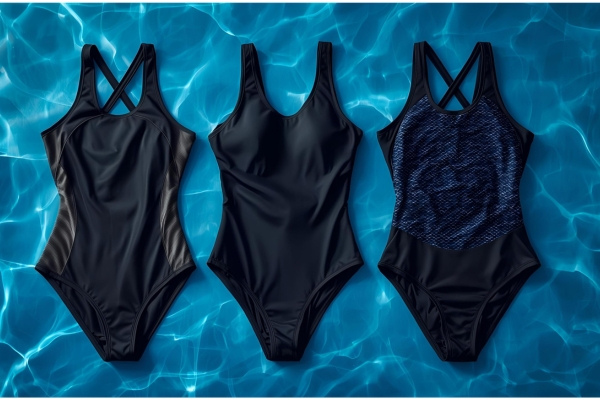
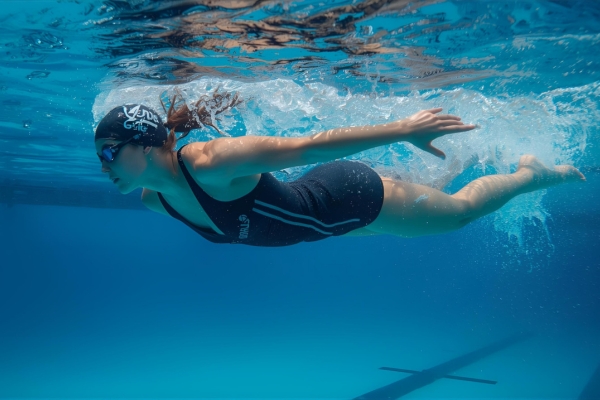
Eco‑Friendly Swimwear Manufacturing: How to Build a Sustainable Brand
Introduction
In today's global market, eco-conscious customers demand more than style—they expect transparency, sustainability, and ethical production. If you're a swimwear brand targeting buyers in North America, Europe, or Australia, focusing on sustainable swimwear manufacturing isn’t just good ethics—it’s good business.
This guide walks through the practical steps your company or swimwear manufacturer should take—from materials to production techniques—to build a green swim brand that aligns with consumer values and regulatory expectations.
1. Choose Sustainable Fabrics: Recycled Nylon & rPET
Recycled nylon, such as Econyl®, and recycled polyester (RPET) are game-changers in eco swimwear fabric:
-
Econyl recycled nylon is made from reclaimed fishing nets, industrial scraps, and carpets. It performs like virgin nylon but reduces carbon footprint by up to 80 % and diverts ocean waste
-
Repreve® recycled polyester is sourced from plastic bottles and retains its stretch, chlorine resistance, and high colorfastness, while also lowering its environmental impact.
Select fabrics certified by Global Recycled Standard (GRS) and OEKO‑TEX Standard 100 to ensure traceability and non‑toxic finishes.
2. Embrace Innovative Production Techniques
Eco swimwear manufacturing isn't just about materials—it includes how garments are made:
-
Waterless dyeing techniques, like supercritical CO₂ dyeing, drastically reduce water consumption and chemical pollution.
-
3D knitting and seamless design minimize cutting waste and improve fit by constructing garments directly from yarn, reducing offcuts.
These processes should be part of your manufacturing partner’s sustainability strategy.
3. Implement Zero‑Waste & Circular Design Principles
Leading eco-friendly swimwear brands embed zero-waste thinking into their design:
-
Use smart pattern cutting to reduce fabric waste.
-
Creative reuse of cut-offs into accessories, like scrunchies or headbands.
-
Design for longevity—timeless styles, adjustable features, durable fabrics—to fight fast-fashion turnover.
sustainable materials & circular design
4. Ethical Manufacturing & Transparency
A truly sustainable swimwear manufacturer must openly share:
-
Factory certifications and audit results—such as fair wages, good labour practices, and environmental standards.
-
Supply chain traceability to show origins of fabrics and dyes.
-
Packaging standards—like compostable mailers, soy-based tissue, or recycled cartons.
Brands like Vitamin A, SHAN, and SIGAL are leading with socially responsible swimwear production, fair trade practices, and community‑based manufacturing models.

5. Measure Supply Chain Impact
To truly verify sustainability, adopt recognized monitoring frameworks:
-
Higg Index or ISO 20400 Sustainable Procurement offers guidance on environmental and social performance in fashion supply chains.
-
Request third-party auditing or certification reports from your swimwear supplier to prove compliance and transparency.
These metrics can improve trust with B2B clients, retail partners, and eco-conscious consumers.
6. Brand Messaging & Geo‑Relevance (US, EU, AU)
When targeting US, EU, or Australian markets, your content should integrate geo‑specific context:
-
Highlight compliance with EU REACH chemical standards, US environmental textile regulations, or Australian eco-labelling guidelines.
-
Speak directly to mid‑market and premium consumers who value ethical sourcing and long-lasting swimwear.
-
Use terms like "sustainable swimwear fabric" or "eco‑friendly swimwear manufacturing in Europe/USA/Australia" to match search intent.
This geo‑targeted messaging helps search engines surface your blog for region‑specific buyers.
7. Actionable Steps for Buyers and Brands
At the close of your blog:
-
Request fabric certificates and raw-material traceability.
-
Confirm if the swimwear manufacturer offers Econyl or Repreve fabrics.
-
Ask about waterless dyeing and 3D knitting practices.
-
Visit or virtually tour the factory to review packaging and work conditions.
-
Establish a sampling and test protocol using recycled materials to verify aesthetics, stretch, and durability.
Conclusion
Building a sustainable swimwear brand isn’t just about market trends—it’s about making choices that benefit oceans, communities, and future consumers. From recycled fabrics like Econyl® to water-saving dyeing and circular design, every step adds credibility and consumer trust.
By choosing a swimwear manufacturer that embraces real eco-friendly practices—not just buzzwords—you’ll position your brand for growth in markets where conscientious living isn't optional, it’s essential.
2025 Swimwear Trends in the US and Australia: What Buyers Need to Know
How to Design Custom Shapewear for Plus Size and Petite Markets