How to Start a Swimwear Line, That Lasts
Launching a swimwear line is an exciting but competitive venture. While fashion trends come and go, building a sustainable and profitable brand that stands the test of time requires far more than just stylish designs. From identifying your niche to building your supply chain and marketing effectively, this guide breaks down every step you need to take to create a swimwear business that lasts.
Why Start a Swimwear Line?
The global swimwear market is projected to reach $30 billion by 2030, driven by demand for resort wear, influencer-led fashion trends, and increased awareness around body positivity and diversity. Whether you're inspired by fashion, function, or sustainability, entering this growing industry at the right angle can be highly rewarding.
Step 1: Define Your Niche and USP (Unique Selling Proposition)
Avoid being generic. Today’s customers expect brands to speak to them directly. A successful swimwear line starts with a clearly defined niche, such as:
-
Sustainable swimwear made from recycled fabrics
-
Plus-size or inclusive sizing
-
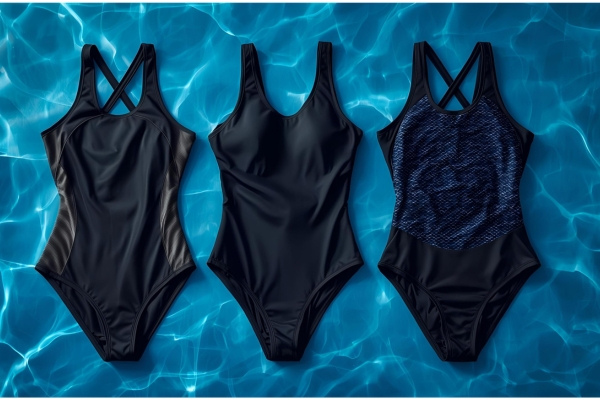
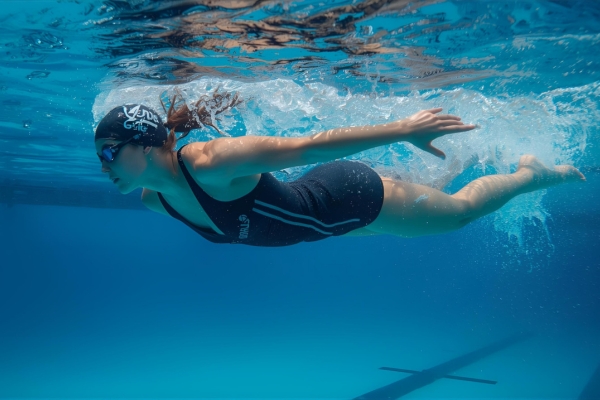
Athleisure and performance swimwear
-
Luxury or minimalist resort styles
Step 2: Conduct In-Depth Market Research
Before investing in designs and materials, understand your target audience:
-
Who are they (age, gender identity, values)?
-
Where do they shop—online boutiques, Instagram, or department stores?
-
What are their pain points (fit, price, sustainability)?
Step 3: Create a Business Plan
Your business plan is the foundation of your brand. It should include:
-
Brand identity & mission
-
SWOT analysis
-
Pricing and positioning
-
Marketing and sales strategy
-
Funding or budgeting plan
-
Production and logistics
Step 4: Design Your Collection
Your first collection should balance creativity and commercial appeal.
Key considerations:
-
Start with a manageable range (4–8 styles)
-
Mix bikinis, one-pieces, and cover-ups
-
Prioritize fit, support, and size variety
-
Think about timelessness over trendy styles

Step 5: Choose the Right Manufacturer
Your manufacturing partner can make or break your business. Consider:
-
MOQs (Minimum Order Quantities)
-
Sustainability certifications (e.g., GRS, OEKO-TEX)
-
Lead times and production capacity
-
Communication and language skills
Step 6: Develop Your Brand Identity
Branding goes beyond a logo—it’s about creating a lifestyle people connect with.
Components of strong branding:
-
Logo and color palette
-
Tone of voice and storytelling
-
Photography and visuals
-
Social mission or values
Step 7: Build a Strong Online Presence
Today, your digital storefront is as important as your product.
Key platforms:
-
Shopify or WooCommerce for e-commerce
-
Instagram, TikTok, and Pinterest for visual marketing
-
Email marketing with platforms like Klaviyo or Mailchimp
-
SEO blog content to drive organic traffic
Step 8: Plan Inventory, Logistics & Fulfillment
Inventory management is crucial to avoid overstocking or stockouts.
-
Use inventory software like Zoho or Ordoro
-
Offer pre-orders for limited collections
-
Choose between in-house fulfillment vs. 3PL partners
Step 9: Launch Your Swimwear Line
Before your full launch, consider:
-
Soft launch or pre-launch campaign with influencers
-
Email sign-up landing page with early access perks
-
Giveaways or PR packages for UGC (User Generated Content)
-
Press kits for media or bloggers
Step 10: Scale with Strategy
Once your line is in motion:
-
Reinvest in high-performing SKUs
-
Explore wholesale or retail partnerships
-
Launch limited drops to create urgency
-
Collect customer feedback for improvements
Frequently Asked Questions (FAQ)
How much does it cost to start a swimwear line?
Initial investment typically ranges from $5,000 to $50,000+, depending on product complexity, marketing, and volume.
Can I start a swimwear brand with no design background?
Yes. Many founders hire freelance designers or work with manufacturers that offer white-label solutions.
What certifications should I look for in sustainable swimwear production?
Look for GRS, OEKO-TEX, BSCI, and GOTS certifications to validate sustainability claims.
Conclusion
Starting a swimwear line isn’t just about launching cute bikinis—it’s about building a brand that understands its customer, adapts to trends, and delivers quality consistently. With the right strategy and execution, your swimwear business can grow from an idea to a lasting legacy in the fashion industry.
The Best Swimsuit Fabric: A Complete 2025 Guide for Swim Labels
Custom vs. Ready-Made Swimwear: Which One Fits Your Business?