The Best Swimsuit Fabric: A Complete 2025 Guide for Swim Labels
1. Overview of Swimwear Fabrics
Nylon‑Spandex (Lycra®/Elastane) Blends
These remain the industry standard for soft hand feel, excellent stretch, and recovery. Typical ratios range from 80% to 85% nylon with 15% to 20% spandex. Nylon offers a smooth drape, deep color saturation, and a body-hugging fit—but can degrade faster under chlorine and UV exposure unless it is specially treated.
Polyester‑Spandex Blends
Polyester adds strength, chlorine resistance, UV stability, and vibrant printability. Its stretch is slightly lower than nylon blends, but its durability is better suited for regular wear and sun exposure. Ideal for competitive swimwear.
2. Certified Sustainable Fabrics for 2025
ECONYL® (regenerated nylon)
Produced from recycled fishing nets and waste, ECONYL® provides virgin‑comparable performance while reducing carbon emissions by up to 80%. Certified under GRS and U Trust.
REPREVE® (recycled polyester/nylon)
Made from post‑consumer plastic bottles, REPREVE® delivers chlorine- and UV-resistance, soft hand, and is suitable for bright sublimated prints. Also, GRS, OEKO‑TEX®, and U Trust are certified.
Certifications such as GRS, OEKO‑TEX®, and U Trust are crucial for consumer trust and marketing transparency.
3. Performance Factors
-
Stretch & Recovery: Nylon/spandex blends offer ~5–7× stretch; higher spandex gives better recovery but may sag sooner.
-
Chlorine & UV Resistance: Polyester blends and chlorine-resistant Lycra (e.g., Xtra Life) significantly outperform standard nylon-sprandex mixes.
-
Print & Colorfastness: Polyester absorbs vibrant dye and sublimation prints; nylon is better for digital printing but limited in sublimated neon color range.

4. Fabric Weight, Handfeel & Texture
-
Weight (GSM):
-
~150g/m²: ultra-light, lingerie-like (e.g. Carvico Gemma)
-
~180‑200g/m²: balanced for swimwear, good structure & quick dry
-
200‑220g/m²+: heavier competition or textured fabrics
-
-
Texture Options: Brands are embracing crinkle (like Hunza G's signature fabric), rib knits, power meshes or micro-ribs for structure, visual interest, and coverage.
5. Comparative Fabric Table
| Fabric Type | Stretch / Recovery | Chlorine / UV Resistance | Printability | Handfeel | Best For |
|---|---|---|---|---|---|
| Nylon‑Spandex (~80/20) | Very high | Moderate | Digital print; solid color | Silky‑soft, drapey | Fashion swimwear, soft fit & sheen |
| Polyester‑Spandex (~80/20) | High | Excellent | Sublimation printing | Slightly crisp | Competitive swim, bright prints |
| Xtra Life Lycra or Chlorine‑resistant blends | High & long-lasting | Superior | Limited | Smooth, firm | Resort, day-in-day-out wear |
| ECONYL® or REPREVE® blends | Comparable to virgin nylon | High | Depends on the base fiber | Equivalent to traditional | Sustainable labels & eco‑focused lines |

6. Sustainability & Brand Positioning
Using ECONYL® or REPREVE® can cut your carbon emissions by ~80% compared to virgin nylon, and using certified fabrics enhances transparency. This resonates strongly with eco-conscious customers in 2025.Offer fabric traceability and supply chain info to reinforce authenticity.
7. Emerging Trends (2025)
-
Fast-dry Technologies: Woven fabrics engineered for rapid moisture wicking.
-
Period Swimwear Fabrics: Multi-layered waterproof, hydrophobic, and absorbent fabrics with chlorine-resistant outer layers. Fashion and function in one.
-
Bio-based & biodegradable options: Under development—typically PLA blends or ocean-safe nylons.
8. Fabric Care & Longevity
To extend durability:
-
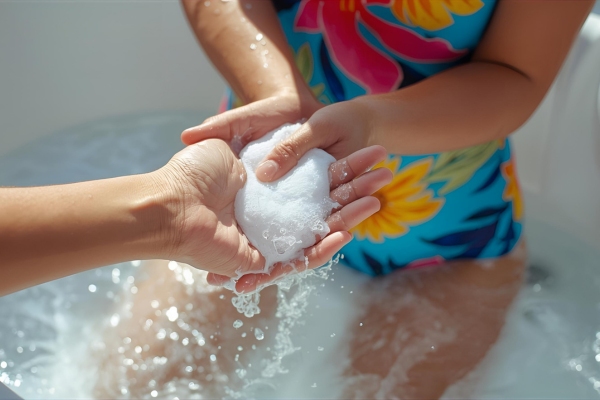
Hand-wash immediately after use in chlorine or salt water (avoid bleach or harsh detergents).
-
Air-dry flat away from direct sun.
-
Avoid drying in plastic bags or high heat to prevent elasticity loss.
-
Store dry during the off-season.
-
Proper care ensures color retention and shape retention over seasons.
9. FAQ
Q: Which fabric should I choose for a chlorine-heavy aquatic facility?
A: Polyester-spandex blends or Xtra Life Lycra® provide the highest chlorine resistance.
Q: Can recycled fabrics match the performance of virgin nylon?
A: Yes—ECONYL® and REPREVE® perform nearly identically in stretch, color, and durability, while offering better environmental credentials.
Q: What fabric weight is ideal for mid-range swimwear?
A: 180–200 g/m² strikes a good balance of structure, drape, and dry time.
Q: Are there options for antimicrobial or odor‑resistant fabrics?
A: Some recycled blends now include antimicrobial finishes—look for OEKO‑TEX® treated fabrics or silver-ion treatments.
10. Actionable Recommendations for Swim Labels
-
Source certified recycled fabrics (ECONYL®, REPREVE®) for sustainable branding.
-
Request fabric swatch packs to evaluate feel, stretch, color, and prints before ordering bulk.
-
Choose fabric weight and texture based on target use (lightweight vs structure vs performance).
-
Specify chlorine-resistant Lycra (e.g., Xtra Life) for longevity in saltwater and pool suits.
-
Provide care guidelines with products to educate consumers and preserve quality.

Conclusion
By offering a deeper, more structured comparison of fabric types—highlighting certified sustainable materials, performance attributes, care advice, and emerging innovations—this guide helps swimwear labels make confident, strategic fabric decisions in 2025. Use this to elevate your product quality, brand ethos, and customer satisfaction.
Let me know if you’d like product‑focused variations (e.g., women’s vs men’s vs active swimlines) or expanded sections on textured and luxury swim fabrics!
How to Fix Swimsuits Don't Provide Enough Breast Support
How to Start a Swimwear Line, That Lasts