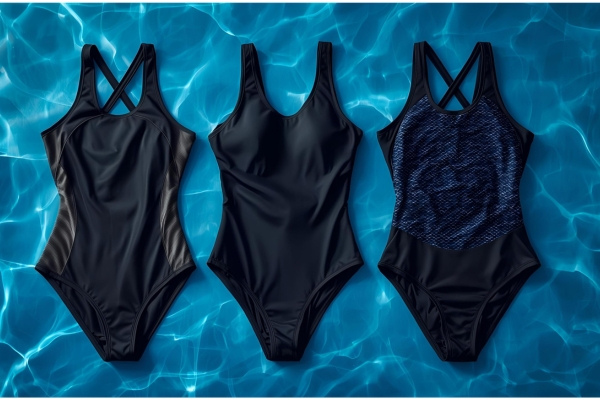
Custom vs. Ready-Made Swimwear: Which One Fits Your Business?
In the competitive world of swimwear sourcing, choosing between custom swimwear and ready-made options is a critical decision that directly impacts your brand identity, cost efficiency, and long-term success. Whether you’re a startup, boutique, or an established label, understanding the strengths and limitations of each option is essential for scaling your business.
This article breaks down the pros, cons, and key considerations between custom vs. ready-made swimwear so you can determine which solution best fits your needs—especially if you’re sourcing from China, a leading swimwear manufacturing hub.
Custom Swimwear: Tailored to Your Brand Vision
Custom swimwear refers to products designed and produced based on your specific ideas, patterns, fabrics, colors, and sizing charts. It's ideal for businesses that want full creative control over their collection.
Pros of Custom Swimwear:
-
Brand Differentiation: Offers exclusive styles that reflect your unique identity.
-
Size Flexibility: Allows inclusive sizing for niche markets (plus-size, maternity, petite).
-
Material Control: You can choose eco-friendly, sustainable, or luxury fabrics.
-
Higher Margins: Custom items typically justify a higher retail price point.
Cons of Custom Swimwear:
-
Longer Lead Time: Production typically takes 30–60 days, excluding sampling.
-
Higher MOQ (Minimum Order Quantity): Manufacturers often require 100–500 units per design.
-
Sampling Costs: Custom prototypes come with upfront fees.
Ready-Made Swimwear: Fast and Budget-Friendly
Ready-made swimwear, also called off-the-rack or wholesale swimwear, is pre-designed and pre-manufactured by suppliers, often available for immediate shipment.
Pros of Ready-Made Swimwear:
-
Faster Delivery: Ideal for tight deadlines or seasonal trends.
-
Lower Investment: Smaller MOQs and no sampling costs.
-
Test Market-Friendly: Great for testing different styles before going custom.
Cons of Ready-Made Swimwear:
-
Limited Branding: Products may be available to multiple buyers, reducing exclusivity.
-
Design Constraints: You can’t control pattern, stitching details, or material quality.
-
Sustainability Concerns: Mass-produced items are often made with lower environmental standards.

Key Considerations When Choosing Between Custom and Ready-Made
| Criteria | Custom Swimwear | Ready-Made Swimwear |
|---|---|---|
| Lead Time | Longer (4–8 weeks) | Short (1–2 weeks) |
| Investment | Higher upfront cost | Budget-friendly |
| Brand Exclusivity | 100% exclusive | Limited or non-exclusive |
| Flexibility in Design | Fully customizable | Fixed designs only |
| MOQ | Higher (100+ units) | Low (as few as 10–20 units) |
The Role of Sustainability in Your Decision
The demand for eco-friendly swimwear is growing in both the U.S. and Australia, with consumers willing to pay more for recycled fabrics and transparent production.
Custom swimwear allows you to choose sustainable options like Econyl, recycled nylon, or RPET fabrics. This can be a strong selling point if you’re positioning your brand as ethical and responsible.
Final Thoughts: What Fits Your Business?
There’s no one-size-fits-all approach when it comes to sourcing swimwear. Your ideal option depends on your:
-
Business model (retail, wholesale, DTC)
-
Market goals (premium, fast fashion, sustainable)
-
Timeline & budget
-
Brand identity
For many brands, the sweet spot lies in starting with ready-made collections to test the market and gradually moving into custom swimwear for long-term branding and growth.
How to Start a Swimwear Line, That Lasts
How to Source High-Quality Swimwear from China: A Guide for Global Buyers?