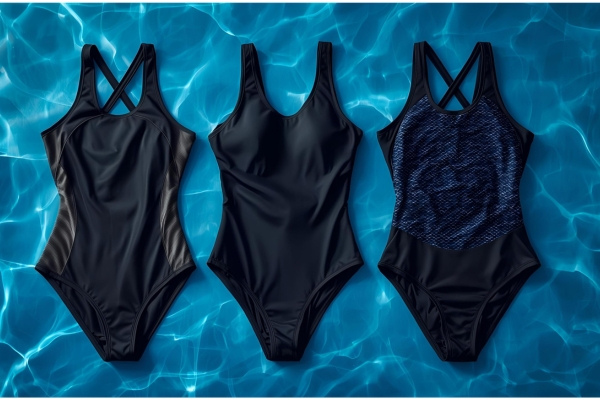
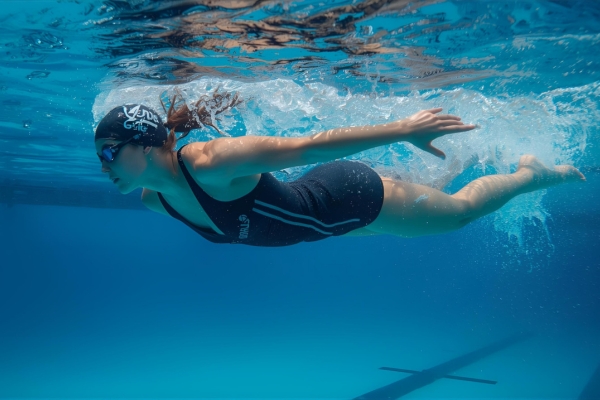
How to Source High-Quality Swimwear from China: A Guide for Global Buyers?
Introduction
Global demand for fashionable and functional swimwear continues to surge, and sourcing from China remains a popular strategy due to cost advantages and production capabilities. However, with numerous suppliers across platforms such as Alibaba, Made-in-China, and offline expos, how do you find a high-quality swimwear manufacturer in China?
This guide walks you through key strategies to help global buyers navigate factory sourcing, evaluate product quality, and manage production expectations—whether you're launching a private label swimwear line, looking for custom swimwear suppliers, or exploring eco-friendly swimwear production.
1. Understand Your Swimwear Market Niche
Before reaching out to suppliers, clarify your market and product positioning:
-
Target audience: e.g., women’s fashion swimwear, plus-size bikinis, modest swimsuits, or high-performance sports swimwear.
-
Style & function: Think about features like tummy control, UV protection, sustainable fabrics, or quick-drying materials.
-
MOQ & scalability: Not all wholesale swimwear suppliers offer low MOQs. Plan based on your market entry volume.
2. Where to Find Reliable Chinese Swimwear Suppliers
Finding the right supplier is half the battle. Consider these platforms:
-
Alibaba & Made-in-China: Ideal for discovering first-tier suppliers. Use advanced filters like verified factories, trade assurance, and on-site audits.
-
Global Sources: More curated B2B suppliers.
-
Trade Fairs: Attend fairs like the Canton Fair or the China International Fashion Fair (CHIC) for direct engagement.
3. How to Evaluate Swimwear Quality
Swimwear is complex: it involves precise stitching, high-elasticity fabrics, and fit-sensitive patterns. Look for:
-
Fabric quality: Check if they offer nylon-spandex, polyester-elastane, or recycled fabrics.
-
Construction: Ensure flat seams, stretch resistance, colorfastness, and accurate grading across sizes.
-
Certifications: Look for OEKO-TEX, GRS (Global Recycled Standard), and BSCI (social compliance).
4. Red Flags in Supplier Communication
-
Unclear pricing structure
-
Evasive answers on production timelines
-
No portfolio or factory images
-
Unwilling to do samples or sign contracts
Use tools like Google Lens or request a factory video call to verify production capacity.
5. Managing Customization and Design IP
If you’re building a custom swimwear line, clarify:
-
Who owns the design?
-
Are there NDAs or contracts?
-
Do they offer CAD design support?
-
Will they reuse your patterns for others?
Look for suppliers with in-house design teams and experience with international buyers.
6. Logistics, Payment & Lead Time
-
Lead time: 25–45 days, depending on order complexity.
-
Payment: Secure via Alibaba Trade Assurance, LC, or 30/70 TT.
-
Shipping: Negotiate FOB or DDP depending on your warehouse destination (US, Australia, Europe).
For bulk swimwear sourcing, it's critical to work with a supplier who understands compliance requirements in your market.
7. Building Long-Term Supplier Relationships
Don’t treat your supplier like a vending machine. Building rapport helps you get:
-
Priority on production
-
Better pricing and lower MOQs
-
Early access to new styles or materials
Arrange regular reviews and try visiting the factory once a year if possible.
Conclusion
Sourcing high-quality swimwear from China requires more than just scrolling through catalogs. The best partnerships are built on product alignment, transparent communication, and shared growth.
Start with a clear sourcing strategy, vet your manufacturers thoroughly, and protect your IP. With the right custom swimwear supplier, your brand can stand out globally—whether you're targeting the US, Australia, or anywhere in between.
Custom vs. Ready-Made Swimwear: Which One Fits Your Business?
2025 Swimwear Trends in the US and Australia: What Buyers Need to Know